Granada Slang: Words and Expressions (2)
Expand your vocabulary with this selection of words you'll only hear in the city of the Alhambra
Updated on 29 September 2023

And here it is, the long-awaited second part of «Granada words and expressions».
-
Kicks to the dictionary. Some words, whether through mispronunciation or to save a few letters, have been reshaped while probably keeping the same meaning. Sometimes they are genuine linguistic monstrosities, although most of them have a very particular charm. Either way, there’s no denying they are real kicks to the dictionary.
-
Changes of meaning. Sometimes a word starts out with one meaning and ends up with a completely different one. We don’t know quite how these words go through this change of meaning, but we do know they enter our vocabulary to stay, surviving the passing of time and generations.
-
Home-grown. Granada’s vocabulary is so rich that it includes words you won’t find in any official dictionary. These home-grown words pop up in every conversation between friends, every explanation a mother gives her child, every business meeting and, in short, in the everyday lives of our beloved neighbours.
Some expressions
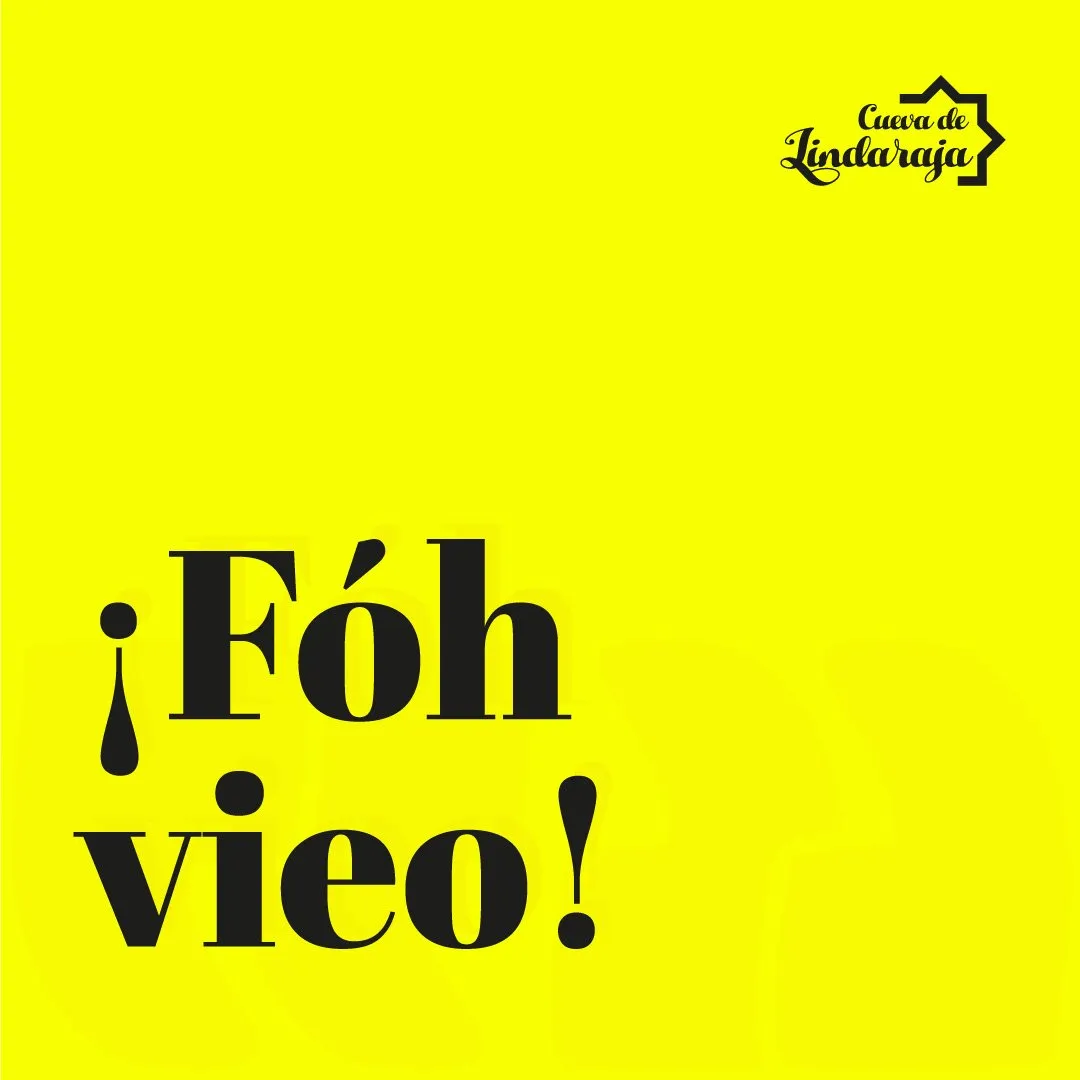
Vieo
Like «compae», it’s used to address the person you’re talking to, and it’s a contraction of «viejo» (old man), much like “old boy” or “mate”.
Qué pasa vieo -> Hi mate.
Follaero
This word probably comes from «follón», which colloquially means a mess or chaos.
¡Lavín que follaero! -> Good grief, this is chaos!
Fíate
This one could belong to the changes of meaning category, but we’ve included it here because it has nothing to do with the verb «fiar» (to trust): it’s simply a shortened form of «fíjate» (look, check out).
Fíate que tío más bueno. -> Check out that gorgeous guy.
Chuminá
Short for «chuminada», meaning nonsense or something silly.
Menuda chuminá. -> What a load of nonsense.
Quillo
«Quillo» is short for «chiquillo» (kid, lad), so it’s used to address the person you’re talking to.
¡Qué pasa quillo! -> Hey mate!
Vahío
Short for «vahído» (a dizzy spell), but used in a completely different way: it means bad luck.
Lavín que vahío tienes. -> You’ve got such bad luck.
Saquito
This use is probably correct Spanish, but it deserves a mention here. It’s the diminutive of «saco», which means a jacket or blazer, but «saquito» is a fairly general term for any warm layer, such as a sweatshirt or a jumper. A common synonym is «rebequilla», simply a diminutive of «rebeca» (cardigan), which likewise refers to any warm layer.
Échate un saquito que hace rasca. -> Take something warm, it’s cold today.
Panzá/Panzón
This expression is a twist on the word «pechada», a synonym of «atracón» (binge), meaning overdoing any activity.
Qué panzá de comer me he dado -> I’ve eaten far too much.
We’ll keep adding new words to this collection in another post. Until then, keep practising so you can become true «granaínos»!
If you can think of a word we’ve missed, drop us a line and we’ll add it.