Typical Food of Granada
Granada cooking, from the Sacromonte omelette to piononos
Updated on 18 October 2026
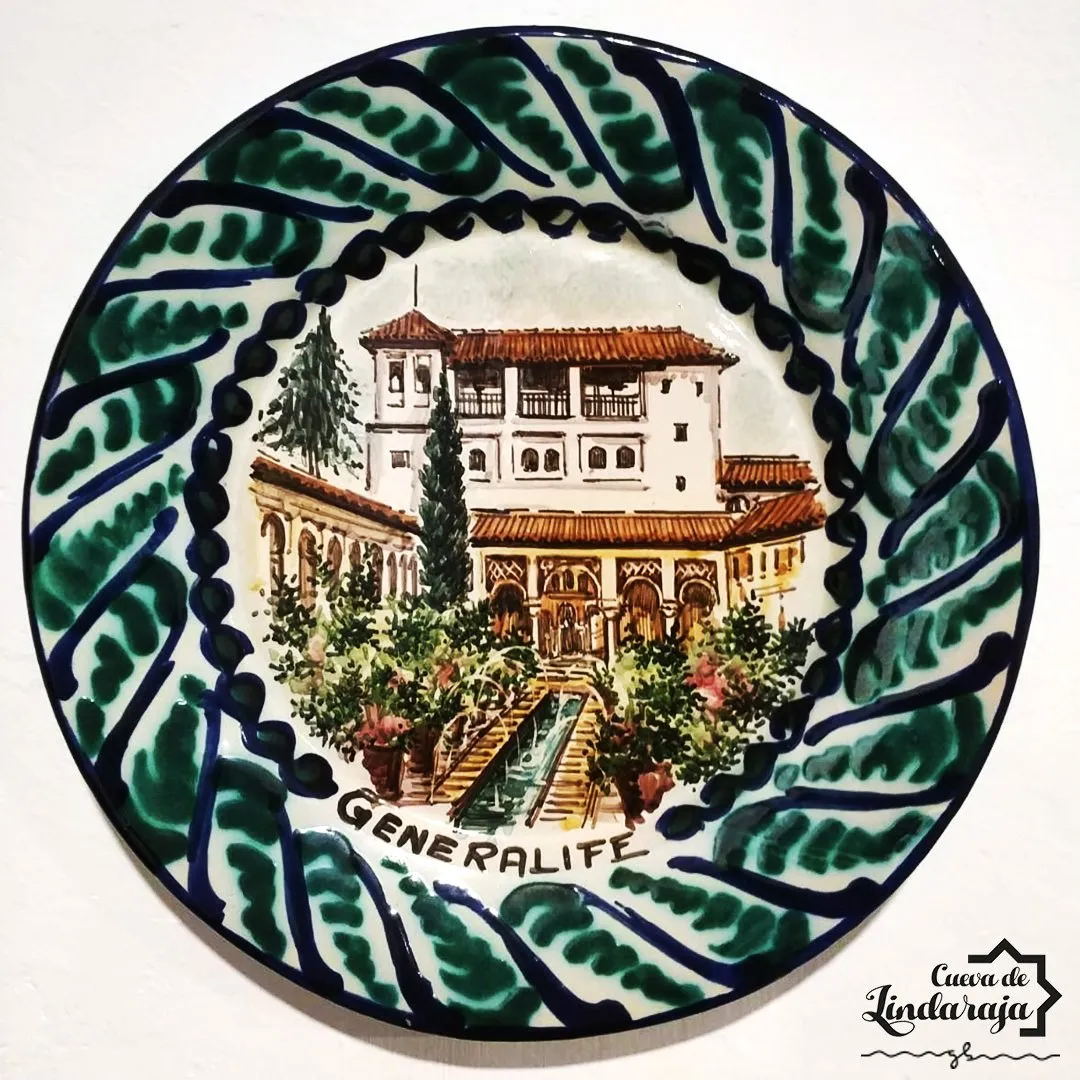
Granada’s cooking blends its Moorish heritage, mountain traditions and produce from the fertile plain (the vega) and the coast. It’s thrifty, hearty in winter and fresh in summer, and it’s best understood at the tapas bar rather than at a formal table. Here are the dishes you shouldn’t leave without trying, served, if possible, on a plate of Fajalauza ceramics, the green and blue pottery that has been made in the Albayzín for centuries.
Signature dishes
Tortilla del Sacromonte
This is our neighbourhood’s dish. An egg omelette that, in its traditional version, contains brains and testicles (offal), and often ham and peas. It may sound daring, but it’s worth trying at least once. These days many places make milder versions.
Habas con jamón
Tender broad beans sautéed with cured ham, a classic of the Granada vega. They’re best in spring, when broad beans are in season.
Remojón granadino
A winter salad with orange, desalted cod, black olives, onion and olive oil, sometimes with hard-boiled egg. The contrast of sweet and salty is very Granada.
Plato alpujarreño
The Alpujarra dish for anyone coming down hungry from the mountains: fried potatoes with peppers and onion, fried egg, black pudding, chorizo, pork loin and ham. Not one for a light supper.
Local produce and sweets
- Trevélez ham. Trevélez, in the Alpujarra, is one of the highest villages in Spain. The cold, dry air of Sierra Nevada is ideal for curing hams, and its ham is famous all over the country.
- Piononos from Santa Fe. A small sponge cake soaked in syrup, rolled up and topped with toasted custard cream. Its name is a tribute to Pope Pius IX (Pío Nono in Spanish). It’s gone in a couple of bites.
- Fried aubergines with cane honey. Aubergine strips or slices, battered and fried, with a drizzle of cane honey (really a dark molasses) on top. Cane honey is a reminder of the sugar cane once grown on the Granada coast.
- Choto al ajillo. Kid goat stewed with plenty of garlic, wine and olive oil. A long-standing village dish.
- Gazpacho and porra. In summer cold gazpacho is everywhere, sometimes served as a tapa in a glass. Porra is its thick version, with more bread, eaten with a spoon.
Where to try them
We don’t recommend specific places because they change over time, but here are some areas and occasions:
- Out for tapas in the city. Many of these dishes turn up as a tapa with your drink. The centre, the Realejo and the Albayzín are good areas for bar hopping. We explain how it works in our guide to tapas in Granada.
- In the Alpujarra. The plato alpujarreño and the ham taste best on home ground, in villages such as Trevélez, Bubión or Capileira. There are ideas in our guide to the Alpujarra.
- In Santa Fe. The home of piononos is about 12 km from Granada, in the middle of the vega, and can be combined with other day trips from Granada.
- In the Sacromonte. Ask for the tortilla in the neighbourhood’s bars: this is where it belongs.
Tips
- Eat at local times. Many kitchens only open at lunchtime and in the evening. We tell you more in Granada customs and opening hours.
- Follow the seasons. Broad beans in spring, remojón in winter and gazpacho in summer: that’s when they’re at their best.
- Take a souvenir home. A piece of Fajalauza ceramics is a very Granada gift, and the workshops and shops of the Albayzín are a short walk from the house.