The Alpujarra from Granada
White villages clinging to the southern slopes of Sierra Nevada, just over an hour from the house
Updated on 18 October 2026
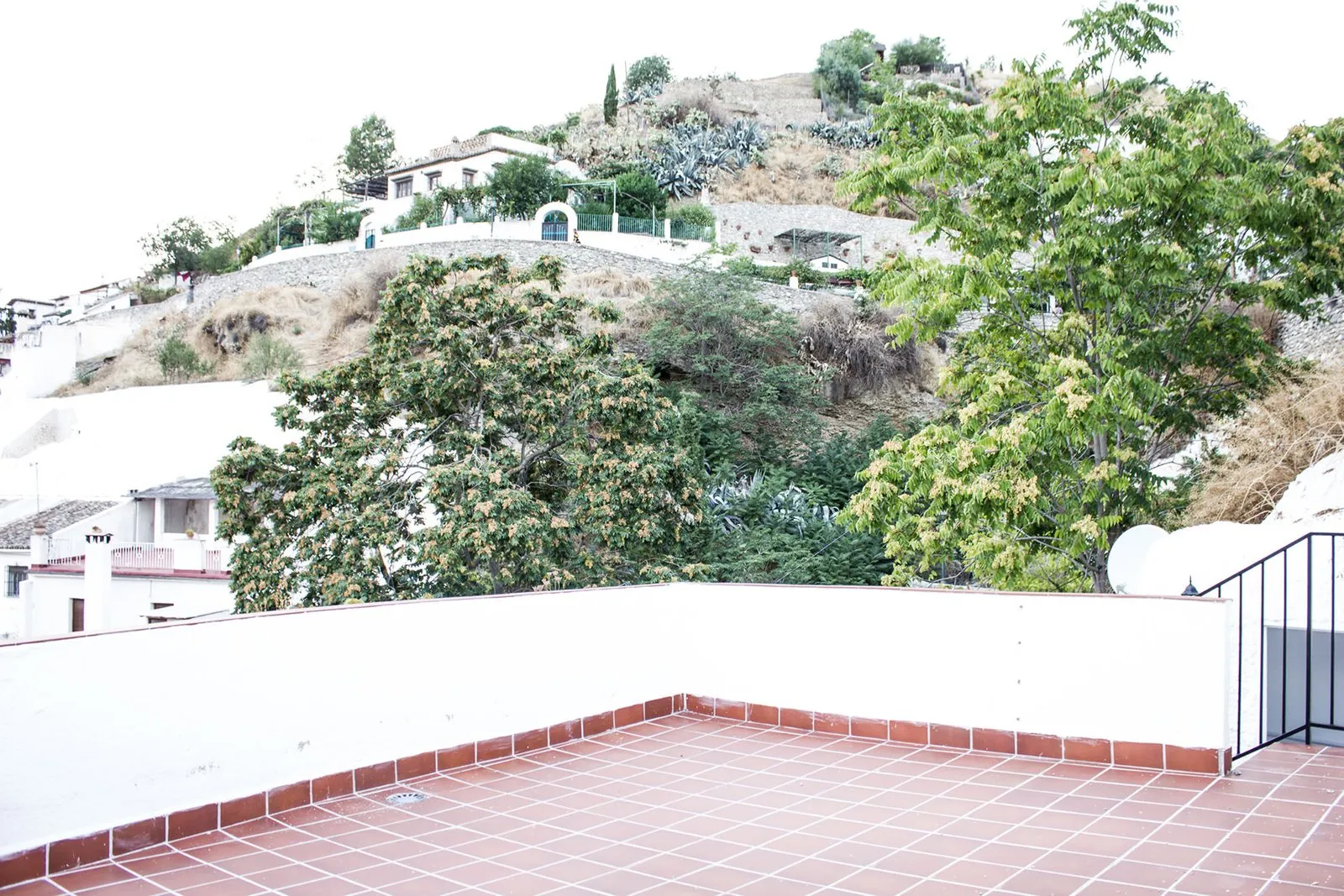
The Alpujarra is the area that stretches across the southern face of Sierra Nevada, among gorges, irrigation channels and terraces of chestnut and olive trees and vegetable gardens. Its white villages, stepped up the hillside, keep an architecture that dates back to Moorish times and looks like nothing else in Andalusia. It’s one of the loveliest day trips from Granada and, if you enjoy walking, it’s even worth a night away.
Villages you shouldn’t miss
- Lanjarón. The gateway to the Alpujarra, famous for its mineral water and its spa. It has a ruined castle above the river and a main street full of fountains.
- Órgiva. The main town of the lower Alpujarra, bigger and with the feel of a market town. It’s a good place to stop and buy fruit, bread or olive oil.
- Poqueira Gorge. Three villages in the same valley, one above the other: Pampaneira, Bubión and Capileira. They’re the most visited and the most photogenic, with Mulhacén, the highest peak on the Iberian Peninsula, at the head of the gorge.
- Trevélez. One of the highest villages in Spain, at the foot of Mulhacén. It’s known for its ham, cured in the cold, dry mountain air. It’s well worth trying it right there and taking some home.
Terraos, chimneys and tinaos
The first thing you notice in the Alpujarra villages are the terraos: flat roofs of chestnut beams covered with launa, a greyish clay that becomes waterproof when it’s packed down. From above, the roofs form a sort of grey staircase between the white walls.
Round chimneys topped with a little stone cap poke up from the terraos. And in the streets you’ll see tinaos, covered passageways that join two houses above the street, used to gain space and give shade. It’s the same idea of making the most of the mountain that you see in the Sacromonte caves, just worked out differently.
In the villages you’ll also find jarapas (hand-woven rag rugs), pottery and cured meats. It’s easy to come back with something in your suitcase.
Walking routes
The Alpujarra is crossed by footpaths and old mule tracks linking the villages. A few ideas:
- Between the Poqueira villages. Pampaneira, Bubión and Capileira are joined by paths that drop down to the river and climb back up. It’s the easiest route for a first visit.
- The river Poqueira. From Capileira, paths lead down to the river and follow the valley among chestnut trees and irrigation channels.
- Around Trevélez. Tougher routes climbing towards the lakes and peaks of Sierra Nevada. Only for people with mountain experience and in the right season.
Before setting off, ask at the village tourist offices about the state of the paths, and bear in mind that in winter there may be snow higher up.
Getting there from Granada
- By car. The most convenient way to see several villages in a day. Take the A-44 towards Motril and, after the pass, the A-348 towards Lanjarón and Órgiva. The Poqueira Gorge or Trevélez are about 70-90 km away, just over an hour, as the last stretches are winding mountain roads. We explain how to get around by car from the house in arriving by car and where to hire one in car hire in Granada.
- By bus. Alsa runs services to the Alpujarra from Granada bus station, stopping in the main villages. There are only a few departures a day, so check the timetables on its website before you plan. To get to the bus station from the house, see our guide to Granada city buses.
Tips
- Start early. With all the bends, the day goes quickly. Leaving early gives you time to see the Poqueira and have a relaxed lunch.
- Wear comfortable shoes and bring a warm layer. The villages are steep and, because of the altitude, it’s much cooler than in Granada, even in summer.
- Combine it with other outings. If you’re left wanting more, there are ideas in day trips from Granada, and the Costa Tropical is at the end of the same road.