The Costa Tropical from Granada
Granada's seaside, less than an hour from the Alhambra
Updated on 18 October 2026

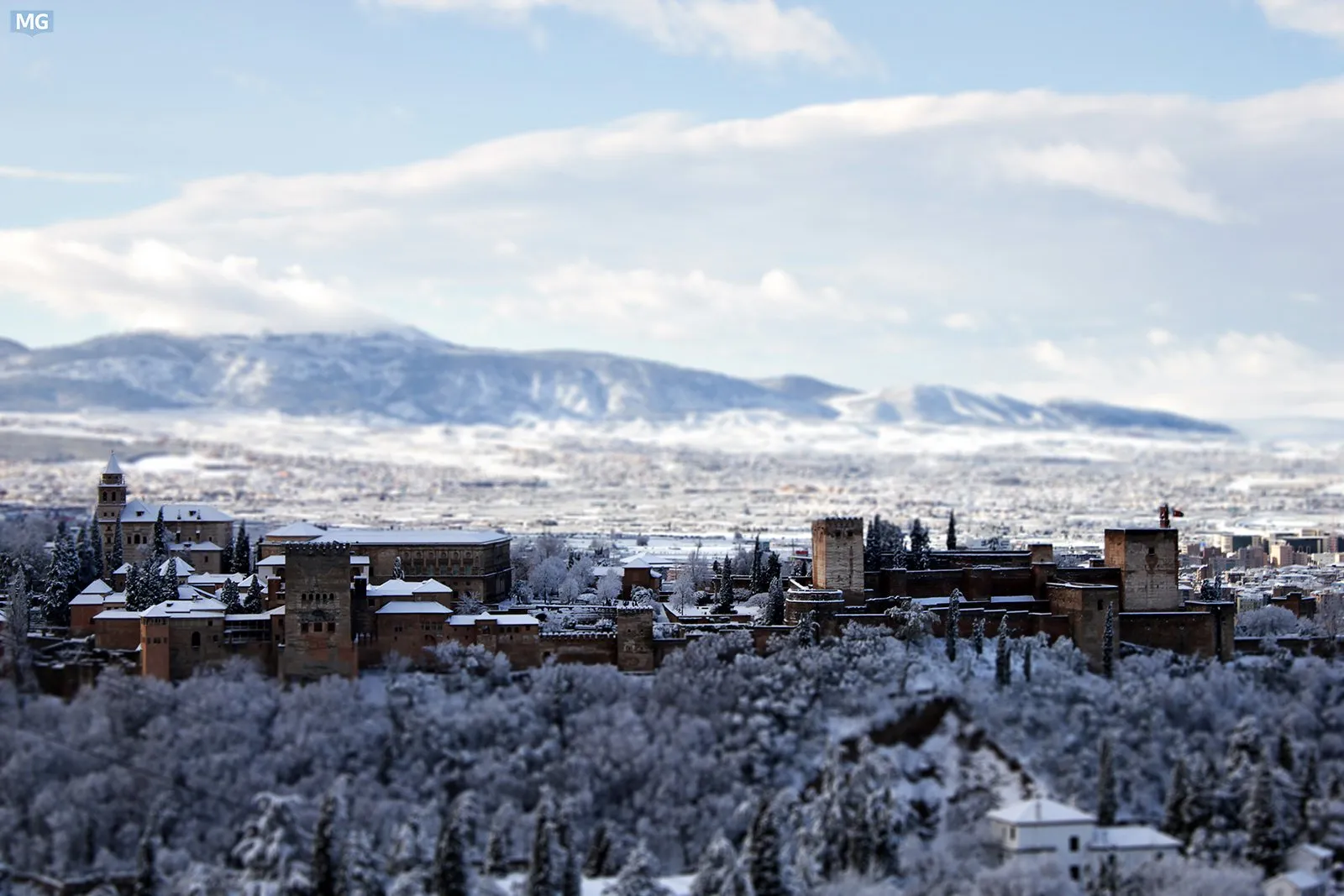
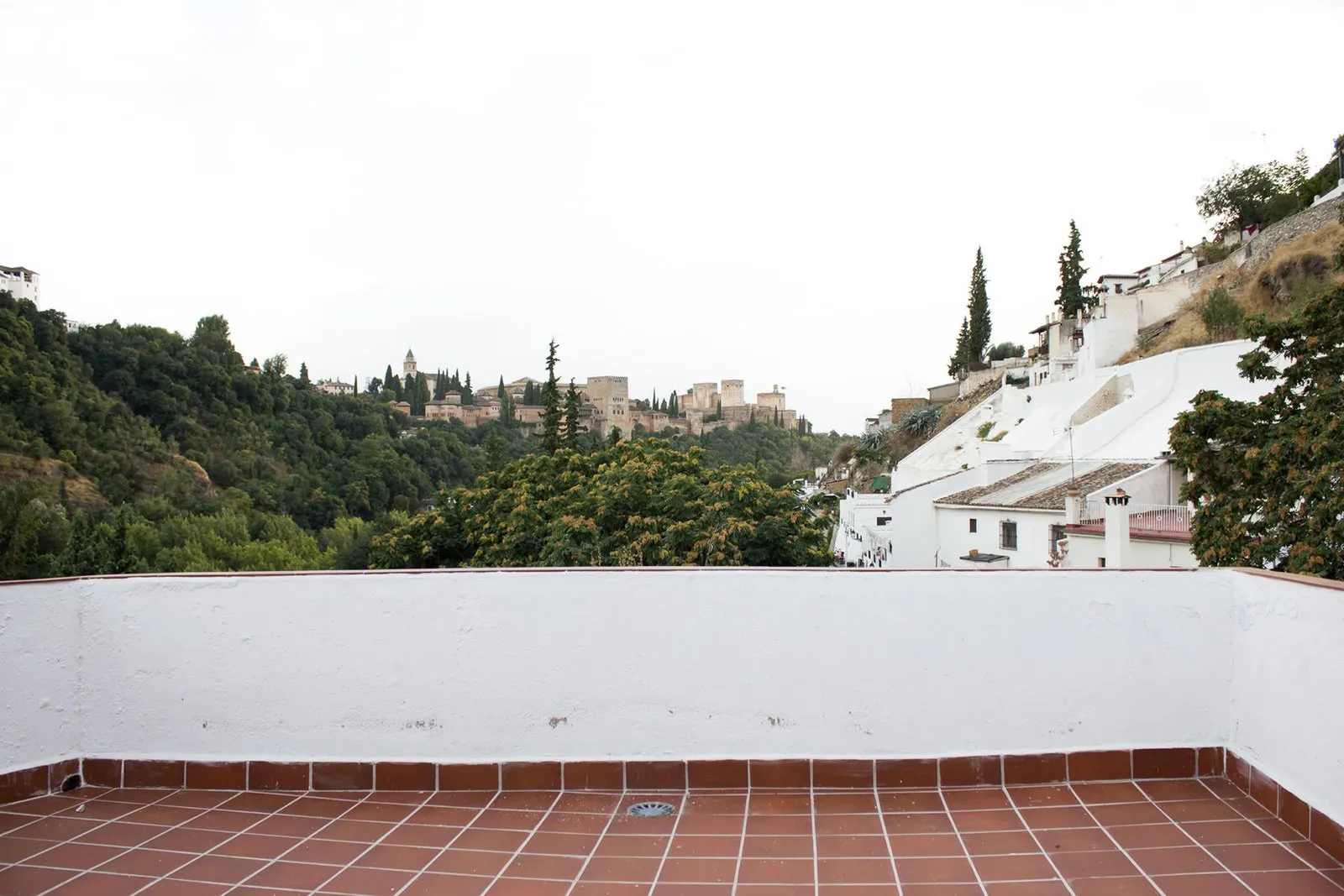
Granada has the snow of Sierra Nevada on one side and the sea on the other. The Costa Tropical is the province’s stretch of coastline, between the cliffs that separate it from Málaga and the beaches of Almería. It’s less than an hour from the city, so you can spend the morning on the beach and be back at the house in time to see the Alhambra lit up.
Why it’s called tropical
The mountains that drop almost straight into the sea shelter the coast from northerly winds. The result is a subtropical climate, with very mild winters, where fruit you wouldn’t expect to see in Europe is grown: custard apple (chirimoya), mango and avocado. On the way down you’ll see terraces of fruit trees on the slopes. If you’re there in season, try them at a local market or greengrocer’s.
The towns
- Almuñécar. The coast’s most touristy town, with a white old quarter at the foot of the San Miguel castle. It has remains of its Phoenician and Roman past, such as an ancient fish-salting factory, and several beaches separated by the Peñón del Santo rock.
- La Herradura. A horseshoe-shaped bay, quieter, and very popular for diving and water sports. At one end is the Marina del Este marina.
- Salobreña. A white town perched on a rock and crowned by a Nasrid-era castle. It’s worth climbing its streets up to the castle to see the coast and the plain from above.
- Motril. The biggest town on the coast, with a port and a long history tied to sugar cane. Its beaches are wide and usually have more room than those in the smaller towns.
Beaches and coves
The Costa Tropical’s beaches are mostly coarse sand and pebbles, with clean, clear water. Bring water shoes if stones bother you.
- Cantarriján. A cove between La Herradura and the border with Málaga, inside the Maro-Cerro Gordo cliffs nature area. It’s one of the prettiest and has a nudist section. In summer car access is usually restricted and you have to take a shuttle or walk down; check before you go.
- Marina del Este. The coves beside the marina have a rocky seabed that’s ideal for snorkelling.
- Town beaches. Almuñécar, La Herradura, Salobreña and Motril have long beaches with a seafront promenade and facilities, handy if you’re travelling with children.
Getting there from Granada
- By car. Take the A-44 towards Motril. When you reach the coast, the motorway joins the A-7, heading towards Salobreña and Almuñécar or towards Motril. Allow less than an hour to any of the towns. The road drops a long way and has windy stretches, so take it easy. See our guides to arriving by car and car hire in Granada.
- By bus. Alsa links Granada bus station with Almuñécar, La Herradura, Salobreña and Motril several times a day. Check timetables and fares on its website. To get to the bus station from the house, the information is in Granada city buses.
Tips
- Go on a weekday if you can. In summer and at weekends the coast fills up with people from Granada and parking is harder.
- It’s worth it out of season too. With the mild climate, spring and autumn are lovely for walking, and there are winter days when you can sunbathe.
- Combine it with the Alpujarra. The A-44 is the same road that leads to the Alpujarra. There are more ideas in day trips from Granada.